
BLOG | Is Your Security Built Into Your Operations or Added On Later?
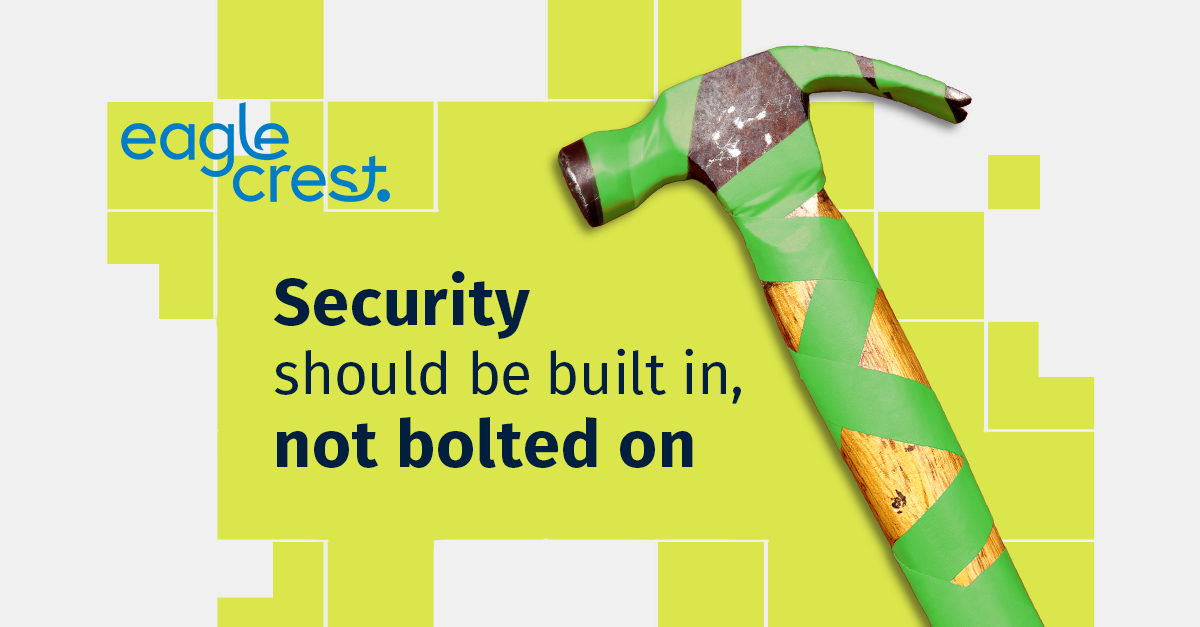
Is Your Security Built Into How You Operate — or Added On Over Time?
For most Tasmanian non‑profits and small businesses, security doesn’t fail in an obvious way. It rarely announces itself with alarms or outages.
Instead, it tends to drift.
Small changes are made to keep things running. New staff or volunteers come on board. Responsibilities shift. New tools are added to solve immediate needs. Access is granted quickly so people can get their work done.
The organisation keeps moving forward — but security slowly slips out of alignment in the background.
A Familiar Scenario for Small Teams
Take Marcus. He’s a fictional business owner, but his situation will feel familiar.
After more than a decade of steady growth, his organisation was functioning well. Antivirus was in place. Two‑factor authentication was enabled. Backups were running. Nothing serious had ever gone wrong — and over time, that began to feel like confirmation that everything was fine.
Then he asked a straightforward question:
“Who currently has access to our main systems?”
It took three days to answer.
When the full picture came together, it revealed a series of small inconsistencies that had built up over time:
Accounts still active for people who had left
Access granted for roles that no longer existed
Tools overlapping between teams
Permissions expanded quickly and never reviewed
Nothing had failed. But nothing was quite right either.
And that’s often how security issues begin.
Security Tools vs Security by Design
Most organisations already have security tools in place.
The real question is whether security is built into the way your organisation operates, or whether it has been layered on gradually as needs arose.
What “Added‑On” Security Looks Like
Added‑on security is common — especially in growing non‑profits and small businesses where time, funding, and people are limited.
It usually shows up as:
Different systems using different access rules
Former staff or volunteers retaining access “just in case”
Multiple tools doing similar jobs without clear oversight
Admin‑level access granted quickly and never revisited
Renewals handled automatically without reviewing who still needs access
Individually, none of these feel urgent. Day‑to‑day work continues. Services are delivered. Clients and communities are supported.
But over time, those small gaps accumulate — quietly increasing risk without ever feeling like a crisis.
What Built‑In Security Looks Like
Built‑in security doesn’t mean heavy processes or technical complexity.
It means designing systems so security is part of everyday operations, not something added later to patch gaps.
For organisations like Marcus’s, this didn’t happen overnight. It came from putting a simple framework in place.
In practice, built‑in security looks like:
Role‑based access, so permissions are tied to responsibilities rather than individuals
Clear visibility into who has access to what — and why
Standard onboarding and offboarding, whether for staff or volunteers
Regular access reviews, especially after role changes
Consolidated systems, reducing overlap and blind spots
Central review of software purchases and renewals, so growth stays manageable
Most importantly, someone in the organisation can confidently answer:
“Who has access to our systems — and does it still make sense?”
This doesn’t require deep technical expertise. It requires the same deliberate, structured thinking used to manage finances, governance, and service delivery.
Where a Technology Performance Review Helps
Once Marcus saw how things had drifted, his next question wasn’t “What’s broken?”
It was:
“How do we bring this back into alignment — without disrupting everything?”
That’s where a technology performance review fits.
For non‑profits and small businesses, this kind of review isn’t about forcing change or selling new platforms. It’s a calm, structured way to evaluate whether your current systems and access controls still reflect how your organisation operates today.
A review typically looks at:
Whether access permissions align with current roles
How access is granted, reviewed, and removed
Where tools overlap or create unnecessary complexity
Whether shadow IT is quietly growing
How onboarding and offboarding are handled
The visibility you have across systems and users
The goal isn’t disruption.
It’s clarity — understanding what’s working, what needs refinement, and how to strengthen security without slowing the organisation down.
Security That Supports, Not Slows You Down
In most real‑world cases, this process doesn’t end in panic or major overhaul. It ends in confidence.
Security works best when it’s woven into how your organisation runs — reviewed periodically, adjusted as roles change, and aligned with day‑to‑day operations.
If your security measures have grown piece by piece over the years, you’re not alone. But there’s an important difference between having protections in place and having security that’s genuinely fit for how you operate today.
Take the First Step Toward Built‑In Security
If it’s been a while since you last reviewed access, systems, or security processes, a technology performance review can help you identify risks before they become problems.
It’s a practical first step toward stronger, more intentional security — designed around the realities of Tasmanian non‑profits and small businesses.
Get in touch to arrange a technology performance review and make sure your security supports your operations — instead of being layered on after the fact.
ACTION Item(s)
Email us from our contact us page if you would like to know more.
We would strongly recommend you and your board starting the process to understand the SMB1001 framework.
Subscribe below for our weekly e-newsletter to help educate yourself or someone that you know is struggling in this